Need septic tank pumping in Orland Park?
Describe your septic or sewer problem and a provider in our network can follow up. Request a callback to check availability, or send the request form.
No obligation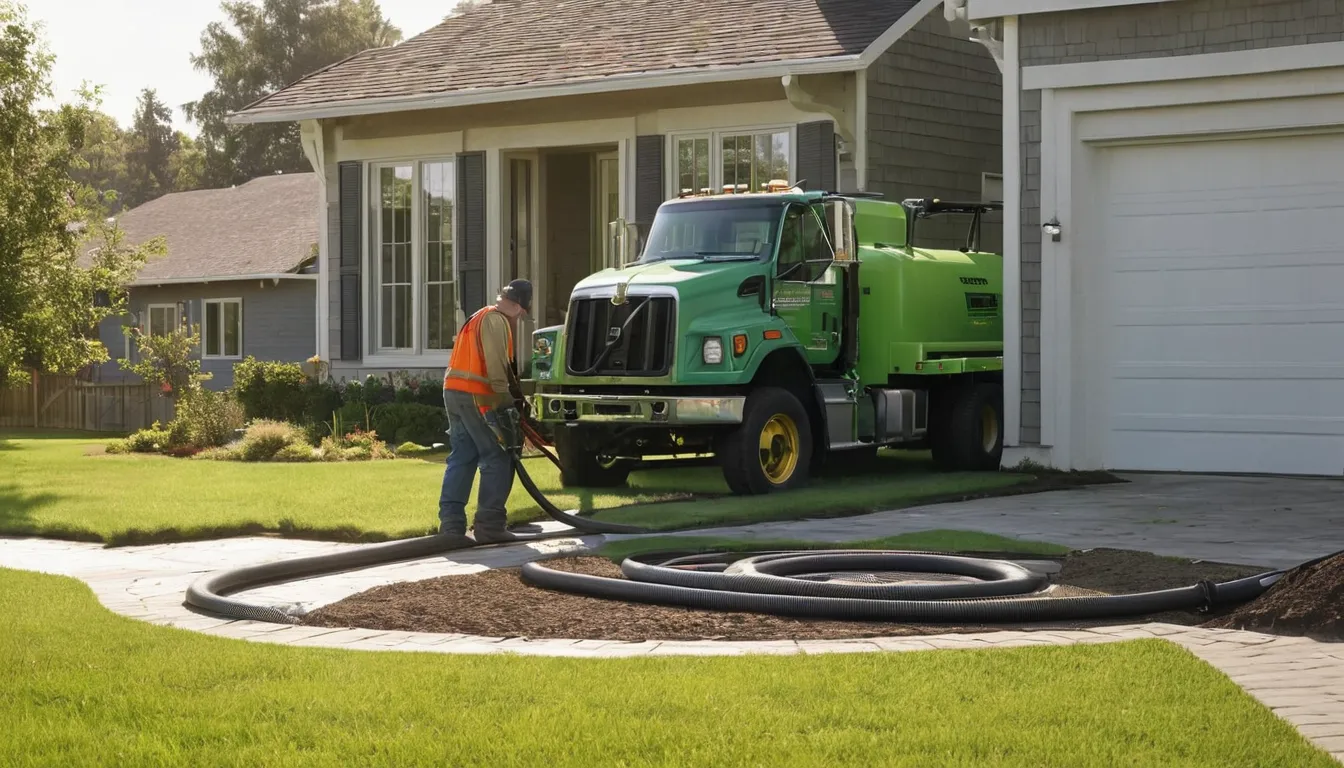
Septic tank pumping removes the sludge and scum that build up inside your tank. Sludge is the heavy layer on the bottom. Scum is the light layer on top. When both get too thick, wastewater has nowhere to go. It slows in your pipes, backs up into the house, or pushes solids toward the drainfield.
Lolworship Septic is a referral service. We do not pump tanks. We give you calm, ordered steps for the first hour, then connect you with an independent provider in our network. The provider assesses the tank, explains the options and gives you a quote in writing. Many providers can handle emergency septic cleaning, and availability varies by provider.
Check for these signs. Drains run slowly in more than one fixture. Toilets gurgle after a flush. A sewage smell hangs over the yard. Grass above the drainfield looks soggy or unusually green. The drainfield is the buried set of pipes that spreads treated water into the soil.
One sign alone may be a simple clog. Two or more usually point to a full or overdue tank.
First hour first. Work down this list:
Then request a callback to check provider availability. Have those notes ready.
Timing changes the outcome, so here is the usual path.
In the first hours, the tank has little room left. Drains slow and pipes gurgle. Cutting water use buys space.
Over the first day, wastewater can back up to the drain sitting closest to the floor level of the house. In many homes that is a basement floor drain or a shower.
If the tank stays full, solids can slip past the outlet baffle and travel to the drainfield. Baffles are the barriers that keep solids in the tank.
Solids clog the soil pores in the field. Wet spots and odors appear in the yard. A pump-out at this stage is usually routine. Wait longer and you may be asking about drainfield repair instead.
A drainfield is costly to replace. Pumping is not. Clearing the tank on schedule keeps solids out of the soil, and the soil keeps cleaning the water.
If you also rely on a private well, tell the provider. Water well service may be worth scheduling if the tank or field has been overloaded near the well.
A common range is every three to five years. Your number depends on three things:
A household of five with a small tank needs pumping more often than a couple with a large one. A provider can measure the sludge layer and set a schedule.
The provider locates the tank and opens the lid. A hose from the truck pulls out liquid, scum and sludge. The provider then checks the inlet and outlet, and looks at the baffles and the water level.
Expect the visit to take a short while for a standard tank. Dig access may add time if the lid is buried. Ask for a written note of what was found.
Routine pumping is scheduled. Emergency septic cleaning is for backups, overflows and sewage in the house. The work is similar, but urgent calls may carry added fees.
If sewage is inside, keep the area closed off and wear gloves for any contact. Request a callback to check which providers are available for urgent jobs.
Pumping gives a clear view inside the tank. That makes it a good moment for an inspection. Cracks, damaged baffles, a failing outlet filter and sludge depth are all easier to spot in an empty tank.
A basic inspection is not the same as a full system evaluation. Ask the provider what is included.
Many lenders and local rules ask for a septic inspection at sale. Pumping first lets the inspector see more. Buyers should ask for pumping records. Sellers can save time by gathering them early.
Deep frost can make lids hard to reach. Spring flooding and heavy storms can saturate the field, and a tank near its limit then has even less room. Pumping before the wet season gives your system some breathing room.
In homes with full basements and sump pumps, never route the sump discharge into the septic system.
Quote in writing, every time.
The provider removes liquid, scum and sludge from the tank so wastewater has room to flow again.
The provider looks at inlet and outlet baffles for damage that sends solids downstream.
Providers locate the tank, open the lid and note whether risers would make future access easier.
Ask for a note on tank condition, sludge depth and a suggested pumping schedule for your home.
These are typical U.S. ranges. Your price depends on tank size, access, distance and local disposal fees. Treat them as a guide and get a written quote before work starts.
| Item | Typical range | Notes |
|---|---|---|
| Standard pump-out (up to 1,000 gal) | $250 – $600 | Routine visit with easy lid access |
| Larger tank (1,500 gal or more) | $400 – $900 | More volume means more time and disposal |
| Urgent or emergency visit | $100 – $400 extra | Added to the base price in many cases |
| Digging to find a buried lid | $75 – $300 | Depends on depth and soil conditions |
| Riser and lid installation | $300 – $900 | Makes future access easier |
| Inspection added to pumping | $100 – $400 | Scope varies, so ask what it covers |
Pause laundry, dishwashers and long showers. Less water in means more time before a backup.
Note slow drains, gurgling, odors and wet yard spots. Jot down when each started.
Request a callback to check provider availability, or send an estimate request through the form.
Review the written quote. Confirm tank size, access charges and what the visit includes.
Providers in our network work in your area and know local soil, frost and seasonal flooding conditions.
You get plain steps for the first hour, before you speak with anyone about the job.
Providers can explain options and put the price in writing before work begins.
Asking for an estimate does not commit you to hiring anyone.
Describe your septic or sewer problem and a provider in our network can follow up. Request a callback to check availability, or send the request form.
No obligationCommon signs are slow drains, gurgling toilets, sewage odor and soggy ground over the drainfield. If you see two or more, reduce water use and ask a provider to assess the tank.
Many homes pump every three to five years. Tank size, household size and water use change that. A provider can measure the sludge layer and suggest a schedule.
Cut use as much as you can. More water can push sewage into the house or damage the drainfield.
Describe your septic or sewer problem and a provider in our network can follow up. Request a callback to check availability, or send the request form.
No obligation